A Prenatal Diagnosis Story for Phoenix Native and NODCC Community Member, Claire Duvnjak
.
By Miriam Bernard
.
When asked what advice she would give to another parent receiving news of a prenatal DCC diagnosis, through tears of joy, mom Claire Duvnjak shared, “When they’re here, it literally will not matter. I was so anxious the whole pregnancy, but then he was born, and I immediately thought, ‘He’s so perfect, we’re going to figure this out regardless.'”
.
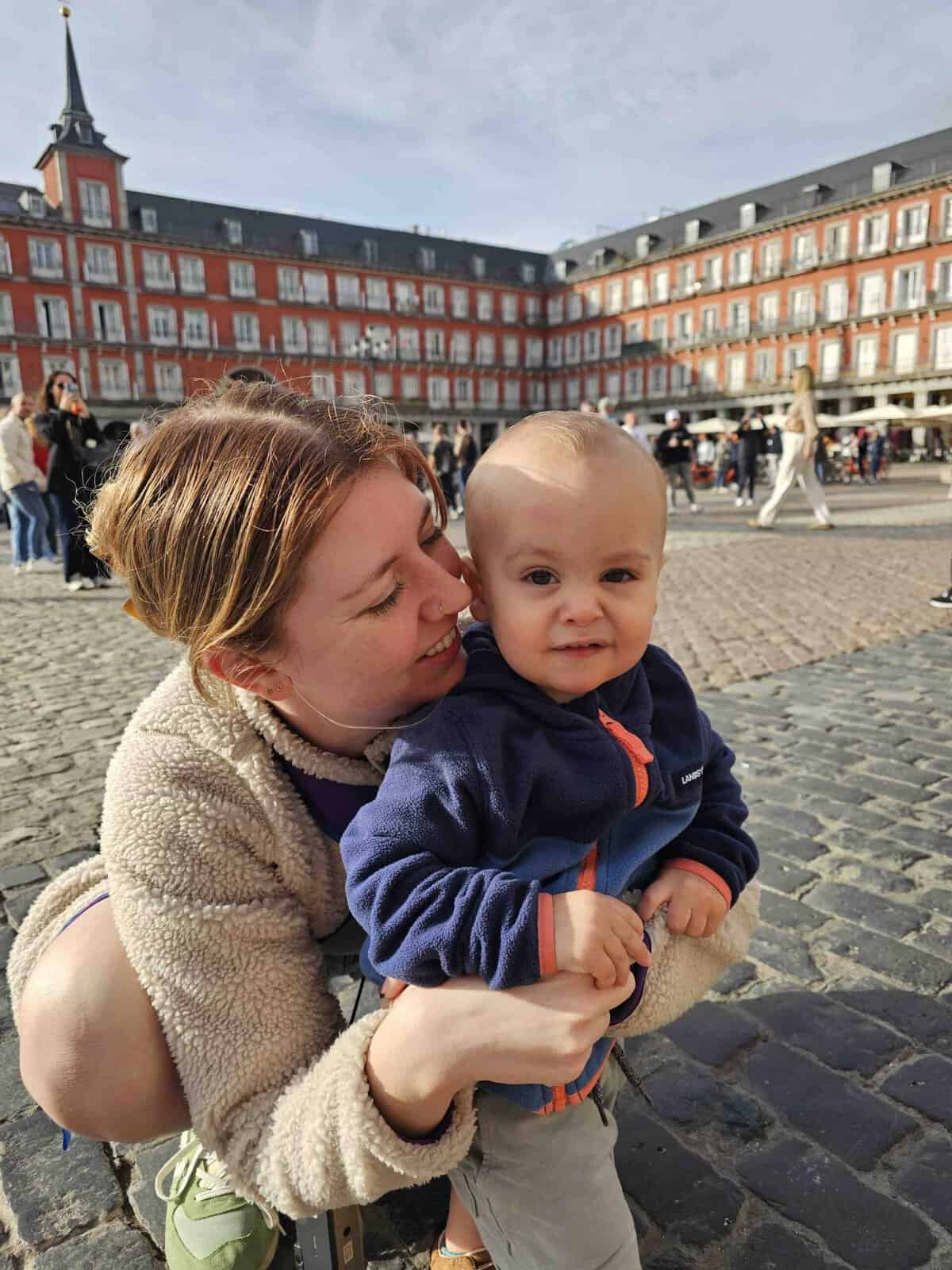
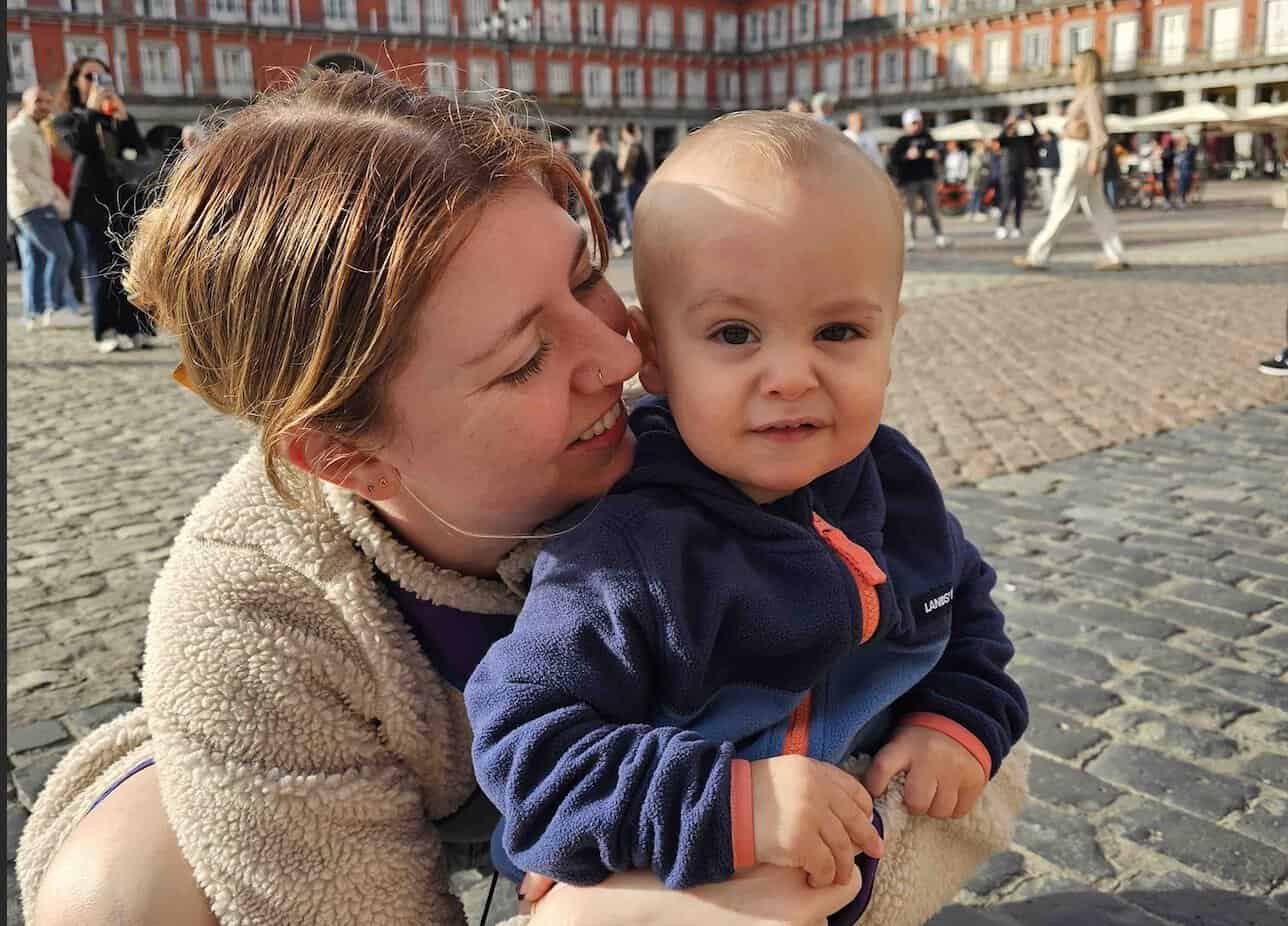
Claire Duvnjak is a Phoenix native whose two-year-old son, Lewis, has complete ACC. As an educator of visually-impaired children, she knows well how availability of resources can make or break a family’s experience when in need of support. Therefore, the moment she learned of her son’s ACC diagnosis soon after her 20-week appointment, she was deep in a late-night online rabbit hole, discovering more about ACCs. It was during one of these research sessions that she discovered the NODCC and its many resources and connection groups.
.
She recalls the tension in the room at the 20-week appointment as the tech struggled to get certain pictures in the ultrasound. She was referred to a maternal fetal medicine doctor, but recalls feeling very anxious due to the lack of information from the original ultrasound tech. Claire’s mother opted to join for the appointment, and when the MFM doctor shared that Lewis was missing his corpus callosum, Claire tearfully recalled, “My mom just came over and held my hand.” Thinking back on her experience with the maternal fetal medicine clinic, she said, “I’m so grateful for the MFM practice where we ended up, because I don’t think I ever really felt scared after that initial moment. The MFMs we had were so amazing.” Claire mentioned that right away, the doctor printed pictures of medical journals and put other resources in her hand. Her experience there goes to show that the right support team around you can make all the difference in one’s experience with navigating a prenatal diagnosis such as a DCC.
.
Claire feels that having the early diagnosis helped because it allowed her to prepare. She recognized that a traditional maternity leave length would likely not be enough, and now two years later, she still enjoys life as a stay-at-home mom with drastically reduced work hours. She also shared that the early diagnosis allowed for a plethora of early interventions that otherwise wouldn’t likely have been implemented quite so quickly. The early interventions Lewis was offered were so effective, by his ten-month appointment, he was meeting or ahead of so many of his milestones, they actually made the decision to step back from some of them to allow families more in need of those services to have access to them. That’s what we call positive progress!
.
Today, at age two, Lewis is walking, dancing, talking nonstop, and even recognizing written letters during their many daily reading sessions – by far his favorite home activity. He loves books and can remember which book a passage comes from, even knowing the words and pages. He is learning letters, sounds and counting in both English and Bosnian – spoken by his dad’s side of the family. Claire describes him as a child who is almost always smiling and happy. His personality, curiosity and remarkable memory are sources of pride for Claire and her whole family.
.
In regards to staying connected with the larger NODCC community, Claire shared, “I love seeing everything that people in the community are doing. There’s nothing more uplifting than having a shared experience with someone. I hope Lewis can find community and comfort in the programs of the NODCC as he gets older. I hope he gets as much out of the NODCC’s community as I have as a mom.” She also has a message for families who may be overwhelmed after receiving a diagnosis: they do not have to have everything figured out immediately. They can start by listening, learning and taking one step at a time. “You don’t have to be an active participant. You could just go on YouTube page and watch some of the testimonies from parents and people living with DCC.” she recommends.
.
Claire also mentioned an Arizona-based organization called “Encircle Families” (https://encirclefamilies.org/
.
The future Claire hopes to give Lewis? Not a life defined by a diagnosis, but a life filled with connection, confidence and people who understand him. She hopes the NODCC will remain a resource as he grows, providing opportunities to find community, friendships and support throughout every stage of life. For Claire, the journey began with uncertainty, but it has become a story of surprise and possibility. Lewis has shown her that the future does not have to be defined by the questions that come with a diagnosis. It can be defined by the person he is becoming and by the family that surrounds him.
.
And when the day’s appointments, lessons and milestones are finished, the Duvnjak family simply enjoys being together. They read books, practice letters and counting, spend time outside and swim in the summer. They travel frequently and Claire recounted, “We couldn’t ask for a better traveler; he is a dream! Planes, trains, metro – he has done it all!” Most of all, they love being with one another. For Lewis, his family is his favorite place to be.