
Disorders of the Corpus Callosum
Agenesis of the Corpus Callosum (ACC)
Understanding, Supporting, and Living with Corpus Callosum Agenesis

What is Agenesis of the Corpus Callosum (ACC)?
Agenesis of the corpus callosum (ACC) is a rare brain condition that occurs during pregnancy when the corpus callosum—the band of nerve fibers that connects the left and right sides of the brain—fails to fully develop. The corpus callosum plays a key role in helping the two sides of the brain communicate with each other.
In children with Corpus Callosum Agenesis, this structure may be partially developed (partial agenesis) or completely absent (complete agenesis). The condition typically forms between the 12th and 20th week of pregnancy. Some children with ACC grow and develop with minimal challenges, while others may need additional therapies and support.
Agenesis of the Corpus Callosum can look very different from person to person. Some children with ACC may grow up reaching many of their milestones, while others may need extra help with learning, coordination, or communication. It’s important to know that every child is unique, and with the right care, therapies, and support, they can lead happy and fulfilling lives.
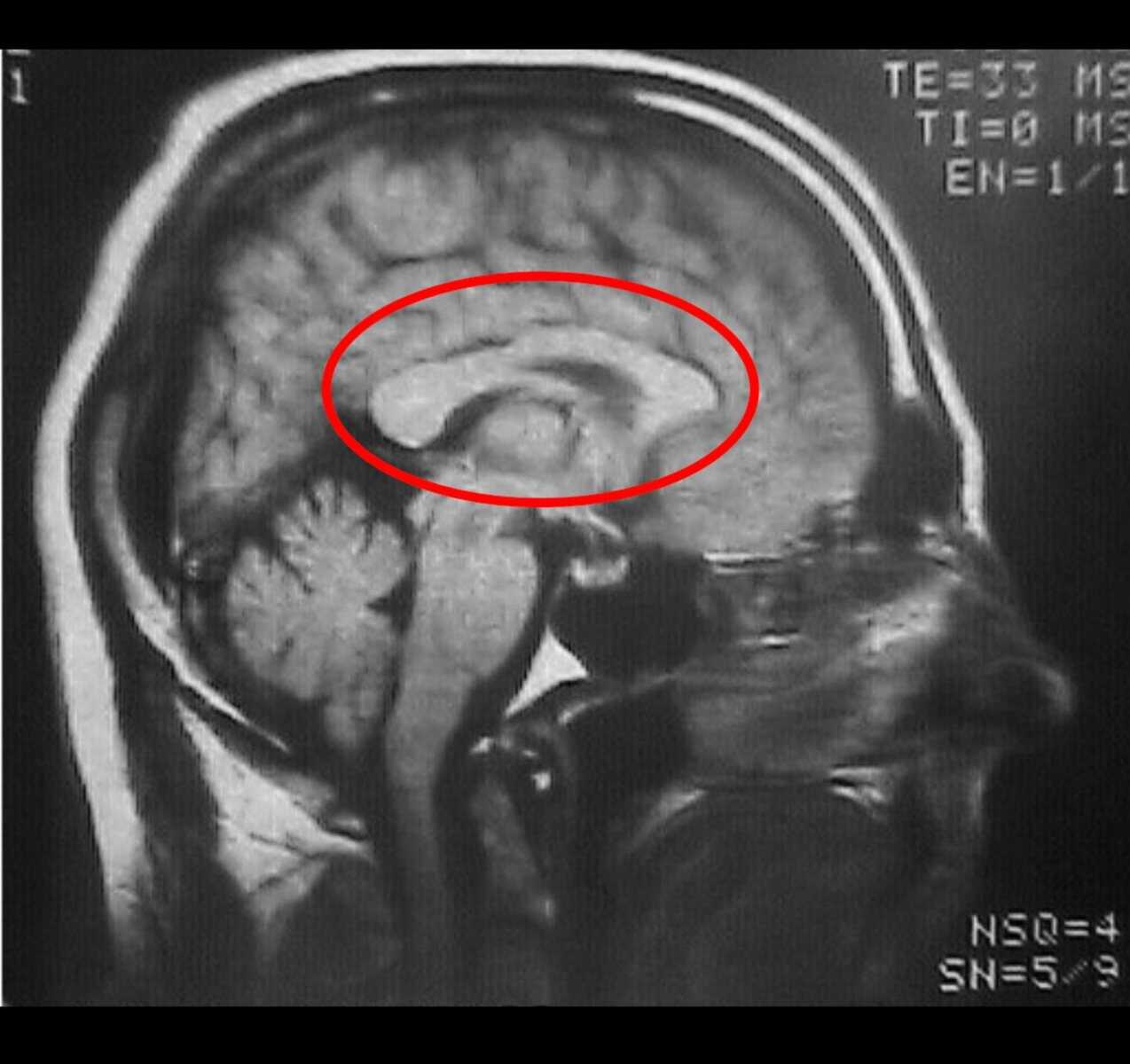
Visual Comparison: Brain With and Without Corpus Callosum
Normal Brain MRI
(with corpus callosum):
This image shows a healthy brain with the corpus callosum present—connecting the left and right sides of the brain.
Brain MRI with ACC (Missing Corpus Callosum):
This image shows a brain without a visible corpus callosum, characteristic of complete ACC.

Common Signs and What to Expect
Children with agenesis of the corpus callosum may show a range of strengths and challenges. Some may have mild symptoms, while others might need additional support. It’s important to remember that every child with ACC is different, and not all children will experience all of these symptoms. Here are some things families might notice:

Learning and Developmental Differences:
Some children may take a bit longer to reach milestones like sitting, walking, or talking.

Motor Skills and Coordination:
A few children might have lower muscle tone (feeling a bit floppy) or have difficulty with balance.

Seizures:
A small number of children may experience seizures, which can be managed with medication and medical care.

Social and Emotional Understanding:
Some children may find it tricky to understand social cues, emotions, or abstract concepts.

Sensory or Vision Differences:
A few may have vision issues, like nystagmus (involuntary eye movements) or be sensitive to sounds, lights, or textures.
How is Agenesis of the Corpus Callosum Diagnosed?
- Before Birth (Prenatally): Sometimes, corpus callosum agenesis is suspected during routine ultrasounds later in pregnancy.
- After Birth: A doctor might order a brain scan, like a CT Scan or MRI (Magnetic Resonance Imaging), if they notice developmental differences.
- Genetic Testing: This can help families identify any associated syndromes or chromosomal conditions related to ACC.
Getting a diagnosis can be emotional and overwhelming, but it can also help families with planning and accessing the right support & therapies early on.

How Can We Help Children with Agenesis of the Corpus Callosum Thrive?
While there’s no specific cure for ACC, there are many therapies and resources that can help children reach their potential and thrive. Early intervention can make a big difference! Remember, every small step forward is a reason to celebrate. Children with agenesis of the corpus callosum can learn, grow, and surprise you in wonderful ways! Here are some common ways to support children with ACC:

Physical Therapy:
Helps build strength, coordination, and motor skills like crawling, walking, and playing.

Speech and Language Therapy:
Supports communication skills, including speech, listening, and understanding.

Occupational Therapy:
Focuses on developing everyday skills like eating, dressing, and playing with toys.

Behavioral and Social Skills Therapy:
Helps children learn how to interact with others and manage emotions.

Medical Care:
Some children may need medications to manage seizures or attention challenges.


Finding Community and Support
Raising a child with ACC can feel overwhelming at times, but you’re not alone. There are many resources, professionals, and other families who understand what you’re going through and can offer guidance, encouragement, and friendship.
Consider exploring:
- Online Support Groups: Connect with other families navigating life with ACC.
- Nonprofit Organizations: Many organizations offer educational resources, events, and advocacy.
- Local Early Intervention Programs: Early childhood programs can provide therapy services and specialized learning opportunities.
- Developmental Pediatricians and specialists who understand agenesis of the corpus callosum.
Building a support network can make a world of difference, and your love, care, and advocacy are the most powerful tools your child has. Connecting with others, sharing experiences, and asking questions can be a great source of strength and comfort.
Looking Ahead with Hope
Children with agenesis of the corpus callosum can live meaningful, joyful lives with the right support. Progress may look different for every child, and that’s okay. Celebrate small victories, nurture their unique abilities, and build a team of therapists, educators, and medical professionals to guide the journey.
As you move along this journey, be sure to celebrate your child’s strengths, seek out information and support, and remind yourself that no family has to walk this path alone.

Learn More About Agenesis of the Corpus Callosum (ACC)
Have a question or need support? Reach out, and we’ll be happy to help!